Data Center Design for Render Farms and High-Performance Computing
Introduction
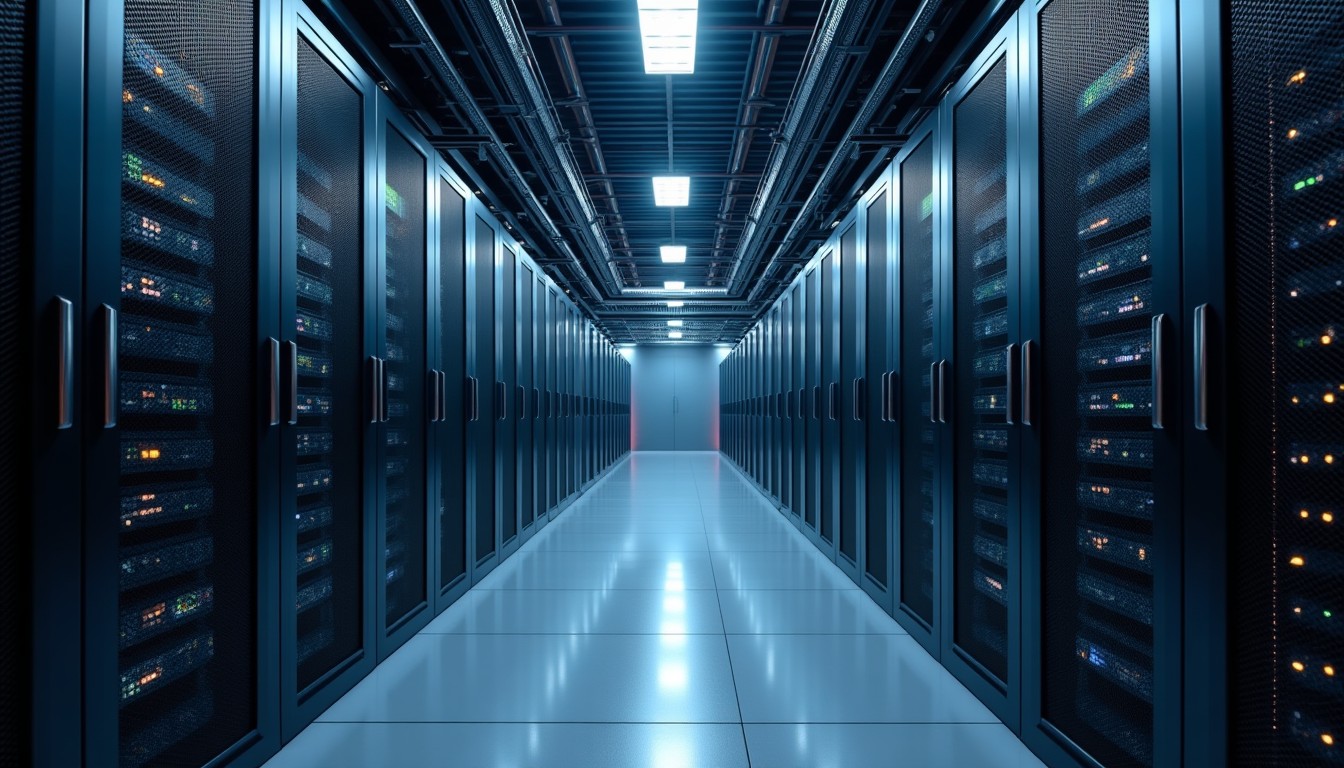
As the demand for high-performance computing (HPC) and render farms continues to grow, the need for optimized data center designs has become increasingly important. Creating a high-density computing farm that can efficiently manage both CPU and GPU workloads, provide high-speed file serving and storage, and maintain optimal cooling and network performance is a complex task.
High-Density Computing Farm Design
High-density computing farm design revolves around the effective management of CPU and GPU resources. This involves considering aspects such as rack design, server configuration, and power distribution to ensure maximum efficiency and performance.
CPU and GPU Management
Managing CPU and GPU resources in a high-density computing farm involves balancing the computational power and the heat output. This includes ensuring sufficient power supply, efficient cooling, and optimized server configuration to handle the intense workloads.
High-Speed File Serving and Storage Architecture
For render farms and HPC, high-speed file serving and storage are crucial. Implementing a robust storage architecture that can handle large volumes of data and provide fast access times is key to maintaining high performance.
Smart Cooling Solutions
Smart cooling solutions are crucial in high-density computing farm design. They help to maintain optimal temperatures, ensuring the longevity of the hardware and overall performance of the data center.
Non-Blocking Network Architecture
A non-blocking network architecture ensures that every device in the network can simultaneously communicate with every other device without any interference. This is crucial for maintaining high performance in render farms and HPC data centers.
Advanced Server Configuration
Going beyond the basic layout of a high-density computing farm, the intricacies of server configuration play a significant role in optimizing performance. Some render farms and HPC data centers utilize blade servers, which package multiple servers into a single chassis to save space and enhance cooling efficiency. This represents a highly effective solution, particularly for data center designs where physical space is at a premium. However, it's also critical to properly configure and manage these servers to avoid overloading the system and maintain a balanced workload.
Power Distribution Considerations
For high-density computing farms, the efficient distribution of power is a critical component. A common solution is the use of Power Distribution Units (PDUs), which can provide advanced power monitoring and control capabilities. These devices help in more efficient power utilization, preventing overloads, and maintaining the stability of the entire data center. It's also vital to have redundant power supplies to ensure continuous operation in case of a power failure.
Case Study: Google's Data Center
A notable example of a high-performance computing data center is Google's facility in Douglas County, Georgia. The search giant has implemented advanced air cooling systems that leverage machine learning algorithms to predict the data center's cooling needs. This has resulted in significant energy savings and increased efficiency.
Implementing a Scalable Storage Architecture
For the demands of render farms and HPC, scalable storage architecture is a must. Techniques such as tiered storage and storage virtualization can help manage large volumes of data effectively. Tiered storage involves storing data on different types of storage media based on its importance and access frequency, while storage virtualization involves pooling multiple network storage devices into what appears to be a single storage unit.
Best Practices in Data Center Design
- Plan for scalability: Always design the data center while keeping future expansion in mind. This includes planning for additional rack space, power distribution, and cooling capacity.
- Implement redundancy: Redundancy is a crucial aspect of data center design. This should include redundant power supplies, network connections, and storage systems to ensure continuous operation.
- Monitor and manage: Continuously monitor the data center's performance and adjust the configuration and resources as needed. This involves tracking metrics such as power usage, temperature, and network performance.
Optimizing Network Architecture
Network architecture is a crucial aspect of designing data centers for render farms and high-performance computing. An optimized network design can significantly improve data transfer speed, reducing latency and increasing overall performance. Implementing techniques such as Software-Defined Networking (SDN) and Network Function Virtualization (NFV) can provide greater control over network traffic and ensure efficient resource utilization. It's also essential to consider network security, implementing robust measures to protect sensitive data from potential threats.
Advanced Cooling Techniques
While smart cooling solutions are indispensable for high-performance computing farms, advanced cooling techniques offer even more benefits. Liquid cooling, for instance, is an efficient alternative to traditional air cooling. In a high-density computing environment, liquid cooling systems can more effectively manage heat output from CPU and GPU, leading to improved hardware longevity and performance. Moreover, companies like IBM have started to use immersive liquid cooling for their high-performance computing centers, showcasing its viability for future data center designs.
Building a Green Data Center
As the need for high-performance computing continues to grow, so too does the demand for energy-efficient, or "green", data centers. Green data centers not only lower operational costs but also significantly reduce the environmental impact. By incorporating energy-efficient technologies such as advanced power
Conclusion
In conclusion, designing a data center for render farms and high-performance computing involves a complex interplay of multiple factors. From advanced server configuration to efficient power distribution, scalable storage architecture, and smart cooling solutions, every aspect must be meticulously planned and managed. By following best practices and learning from successful case studies, it's possible to create a high-density computing farm that delivers optimal performance and efficiency.
Written by Krishna Prasad
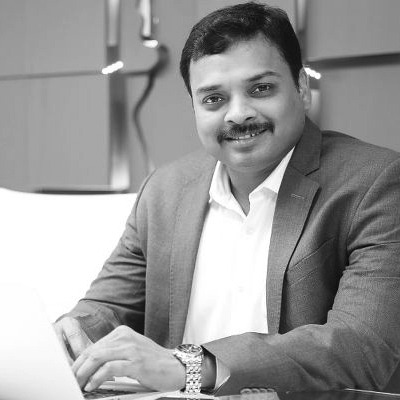
Krishna Prasad is a seasoned expert in the field of data center design for high-performance computing and render farms. He holds an extensive background in dealing with high-density computing farm design, including the intricacies of CPU and GPU management, high-speed file serving, storage architecture, smart cooling systems, and non-blocking network architecture.
With his deep understanding and practical experience, Krishna Prasad has successfully helped numerous organizations optimize their data centers for high-performance computing and render farms. His work is well recognized and respected in the industry, making him a trusted voice on the subject.